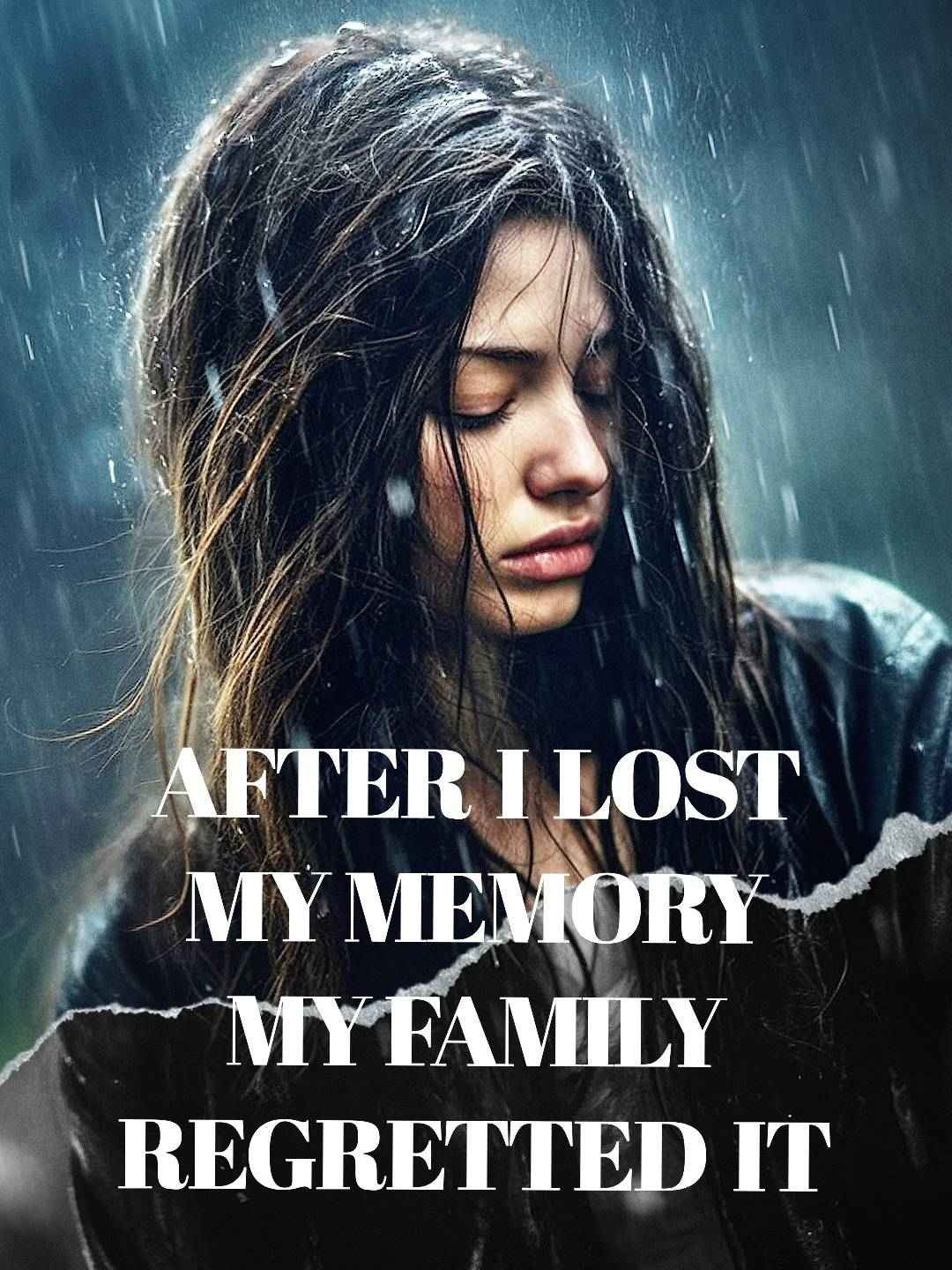
To cheer up my depressed adopted sister Sienna Evans, my parents, Charles Evans and Lyla Evans, didn't dare show me too much love, even locking me in a dark room over seven hundred times. It was all to see her smile. They initially felt guilty about it. Still, eventually, even my most loving brother, Rylan Evans, came to see it as perfectly usual. Only when Sienna's depression started to improve did I finally gather the courage to beg them on my knees to seal up that dark room. But at Sienna's birthday party, I just wore my only T-shirt, and that was enough to make her tear up and ask Charles and Lyla if I didn't like her. Charles, Lyla, and Rylan comforted her while throwing me back into that pitch-black room. "Claire, you're her big sister. You need to be more considerate of your sister's feelings. "If you hadn't insisted on wearing such trashy clothes, your sister wouldn't have gotten so upset. "You're used to this after all these years anyway, so what's one more time?" I huddled in the corner, pulling at my hair, unable to speak. Three days later, they finally let me out, warning me not to make Sienna sad again. But I just stared at them blankly. "I'm sorry, but who are you?"
Watch FreeLimited-time free event: This free viewing activity is jointly launched by ReelShort and FreeDrama. Click the button to download the APP and watch all episodes of After I lost my memory, my family regretted it for free.
The chilling narrative of After I lost my memory, my family regretted it exposes how love can mutate into control when distorted by guilt and desperation. Claire’s parents—Charles and Lyla—prioritize Sienna’s fragile emotional state over Claire’s basic dignity, weaponizing affection and isolation. Even Rylan, once Claire’s protector, normalizes the abuse, revealing how systemic trauma reshapes moral compasses within a family unit.
Claire’s amnesia isn’t just plot device—it’s symbolic rupture. Her final blank stare (“I’m sorry, but who are you?”) signifies not just cognitive loss, but the erasure of self through years of dehumanization. The dark room becomes both literal prison and metaphor for suppressed identity. Her plea to seal it marks her first act of agency—yet it’s dismissed, underscoring how deeply her voice has been silenced.
After I lost my memory, my family regretted it refuses easy catharsis. Regret doesn’t equal accountability; Claire’s awakening begins not with forgiveness, but with disorientation—and the quiet, radical question of selfhood. Her journey isn’t about winning back love, but reclaiming the right to define it on her own terms.
Experience this emotionally raw, thought-provoking drama firsthand—download the FreeDrama App now.
The romance in After I lost my memory, my family regretted it is warm and delicate. From misunderstandings to understanding, every little gesture makes hearts flutter. The story not only depicts love but also carries healing power. Watching on ReelShort APP, every encounter feels heartwarming and sweet, making you binge episode after episode.
This short drama After I lost my memory, my family regretted it not only has exciting plots but also delivers life lessons. Characters persevere through challenges and grow, deeply touching the audience. Watching on ReelShort, each moment provokes thought, providing both entertainment and insight, highly recommended.
The visuals and soundtrack of After I lost my memory, my family regretted it are stunning. Action, effects, and pacing combine perfectly, immersing the viewer completely. Watching on ReelShort APP, playback is smooth, details are clear, every frame is breathtaking, truly an audiovisual feast.
Limited-time free event: This free viewing activity is jointly launched by ReelShort and FreeDrama. Click the button to download the APP and watch all episodes of After I lost my memory, my family regretted it for free.