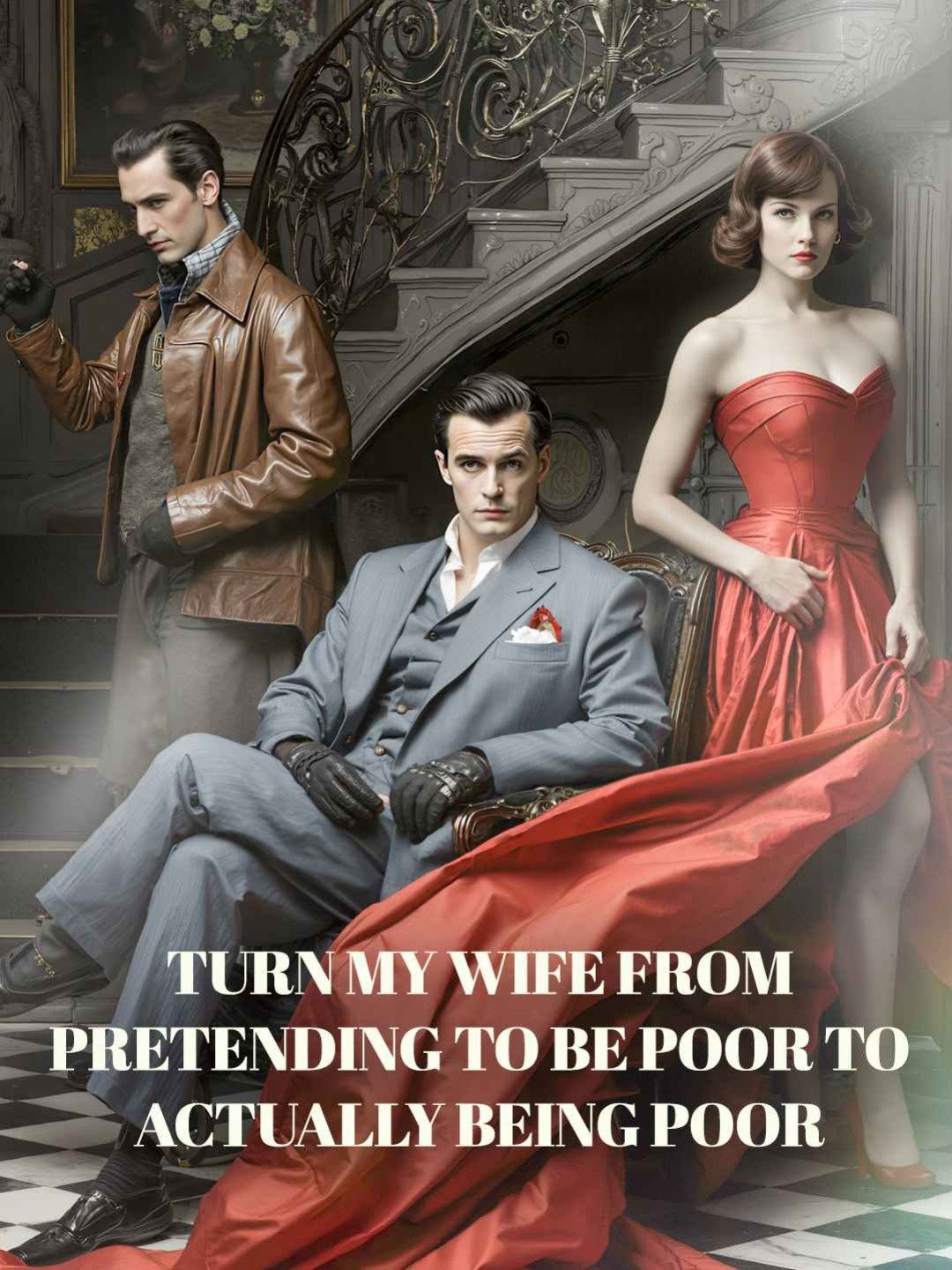
When Alayna Williams married me, Colton Walsh, she was carrying millions of dollars in debt. For her sake, I worked three jobs simultaneously for five years, paid off her "debts," and supported both her and our son Mark Walsh. I never complained once, always believing that better days lay ahead. Last week, our company finally secured a massive investment. We celebrated in each other's arms, and I thought our good days had finally arrived. Today, I saw her again on the financial news. She was dressed in an elegant gown, introduced as "the sole heir to a billion-dollar business empire," laughing and chatting with her "investor" Finn Walsh. The headline read: [Alayna Williams completes five-year "poverty trial," proving her exceptional self-made capabilities to the board of directors.] I returned home in a daze. Five-year-old Mark was playing with the latest limited-edition robot. He looked up at me with eyes identical to his mother's—cold and unfamiliar. He said, "Mom told me everything. Dad, you failed the test. You love money too much." Those words hit me like an icy bullet, piercing through my eardrums and exploding in my mind.
Watch FreeLimited-time free event: This free viewing activity is jointly launched by ReelShort and FreeDrama. Click the button to download the APP and watch all episodes of Turn my wife from pretending to be poor to actually being poor for free.
At first glance, Colton Walsh appears to be the ultimate devoted husband—working three jobs for five years to “rescue” Alayna from debt. But Turn my wife from pretending to be poor to actually being poor reframes his heroism as unwitting participation in a high-stakes performance. His love wasn’t tested by hardship—it was weaponized as data. Every sacrifice he made, every silent endurance, became evidence in Alayna’s corporate ascension dossier.
Alayna isn’t merely hiding wealth—she’s engineering identity, legacy, and loyalty. Mark’s chilling line—*“You failed the test. You love money too much.”*—reveals how deeply the narrative has been internalized. His resemblance to Alayna isn’t just physical; it’s ideological. Their bond is strategic, not emotional—a stark contrast to Colton’s authentic, unreciprocated devotion. This isn’t betrayal; it’s systemic recalibration.
The tragedy lies not in deception alone, but in how thoroughly Colton’s humanity was reduced to metrics: debt cleared, years served, stability delivered. The board didn’t assess his character—they assessed Alayna’s control. His awakening isn’t rage or grief alone—it’s the dawning horror that he loved a role, not a person. And yet, Turn my wife from pretending to be poor to actually being poor forces us to ask: who truly bears the cost of ambition disguised as authenticity?
Experience this gripping psychological drama in full—download the FreeDrama App today.
The romance in Turn my wife from pretending to be poor to actually being poor is warm and delicate. From misunderstandings to understanding, every little gesture makes hearts flutter. The story not only depicts love but also carries healing power. Watching on ReelShort APP, every encounter feels heartwarming and sweet, making you binge episode after episode.
This short drama Turn my wife from pretending to be poor to actually being poor not only has exciting plots but also delivers life lessons. Characters persevere through challenges and grow, deeply touching the audience. Watching on ReelShort, each moment provokes thought, providing both entertainment and insight, highly recommended.
The visuals and soundtrack of Turn my wife from pretending to be poor to actually being poor are stunning. Action, effects, and pacing combine perfectly, immersing the viewer completely. Watching on ReelShort APP, playback is smooth, details are clear, every frame is breathtaking, truly an audiovisual feast.
Limited-time free event: This free viewing activity is jointly launched by ReelShort and FreeDrama. Click the button to download the APP and watch all episodes of Turn my wife from pretending to be poor to actually being poor for free.